
19 Mar Alumni Spotlight – Dr. Gaurav Arora ’93


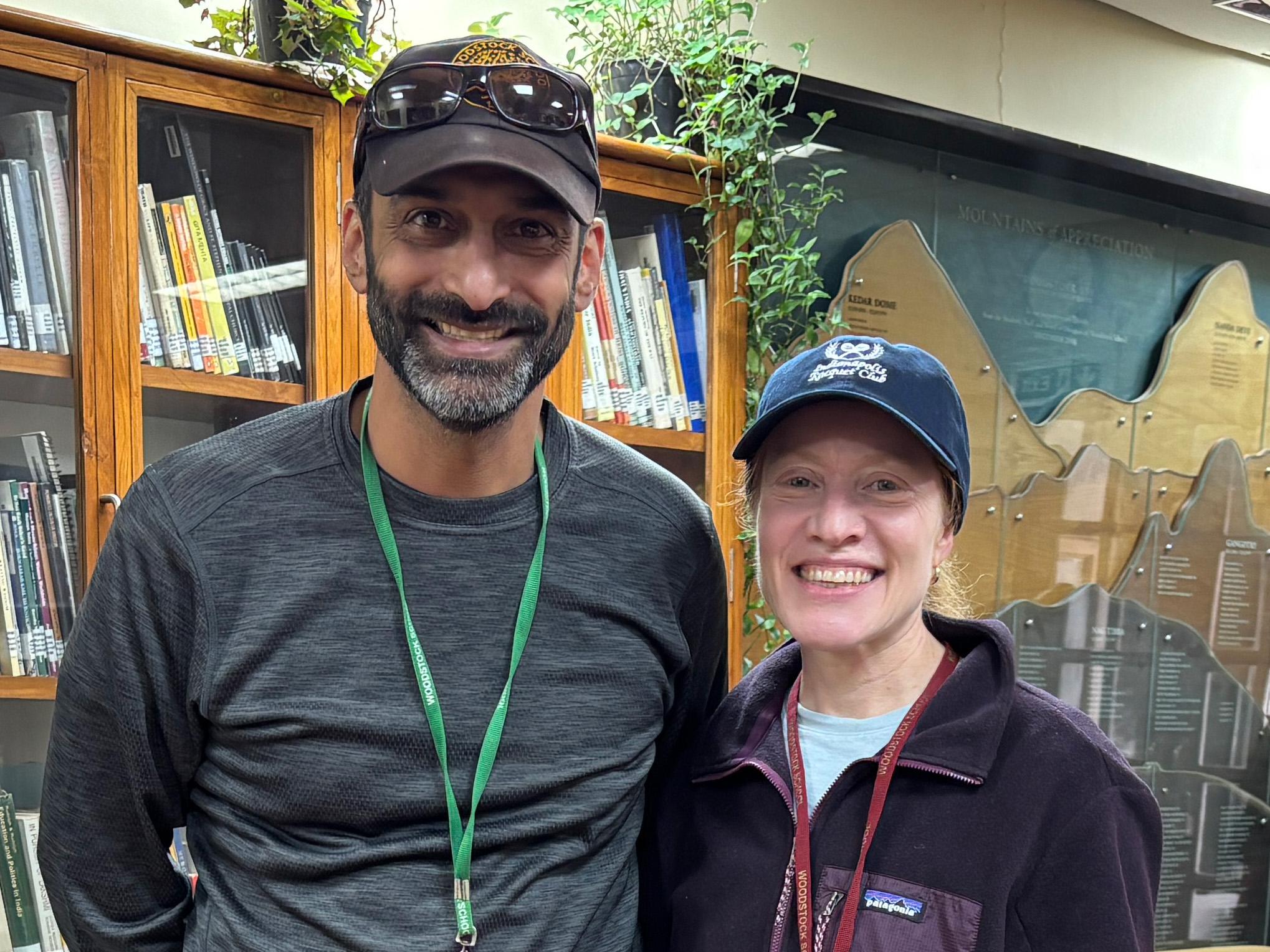
Dr. Gaurav Arora ’93, MD, MBA is a board-certified Emergency Medicine physician in the United States with over two decades of experience in acute and critical care. A graduate of the University of Toledo College of Medicine, he has worked across high-volume emergency departments serving diverse communities. Alongside his clinical practice, he has contributed to healthcare leadership and hospital administration, remaining committed to compassionate, patient-centered care and mentoring future medical professionals.
(Picutred above with wife, Rebecca)
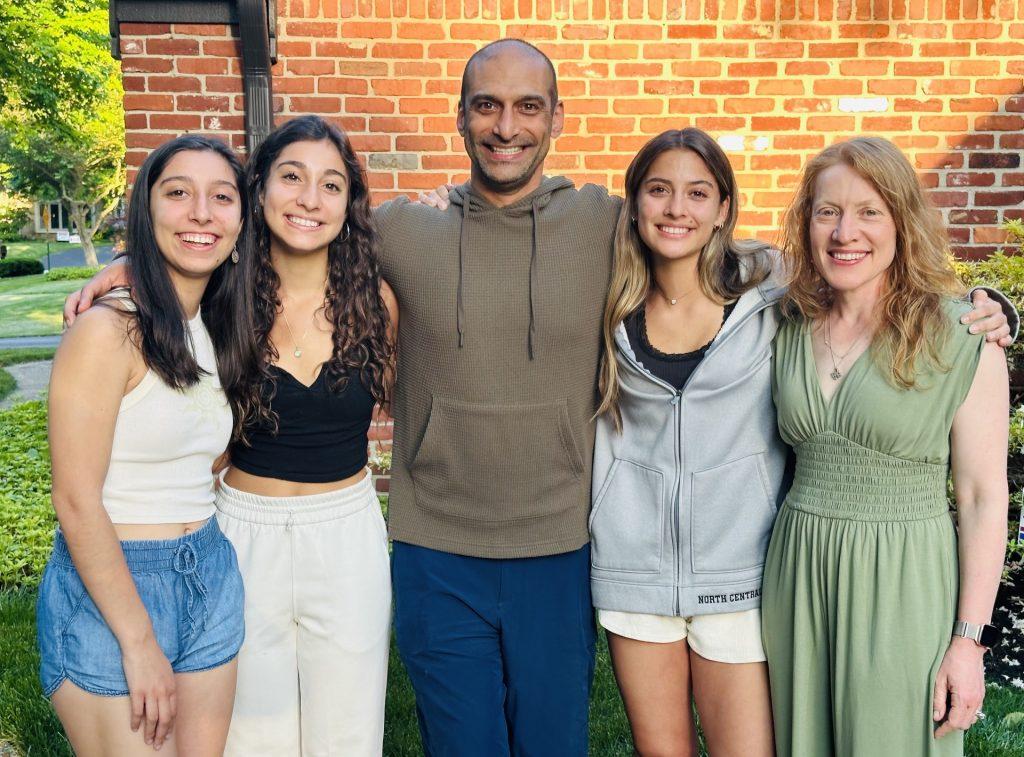
Family photo
What are some of your fondest memories from your time at Woodstock?
Some of my best memories come from the time I spent with my classmates, playing sports, going on hikes, or simply being together in the hostel. What I cherish most is the sense of community we shared in so many different settings, with people who became lifelong friends.
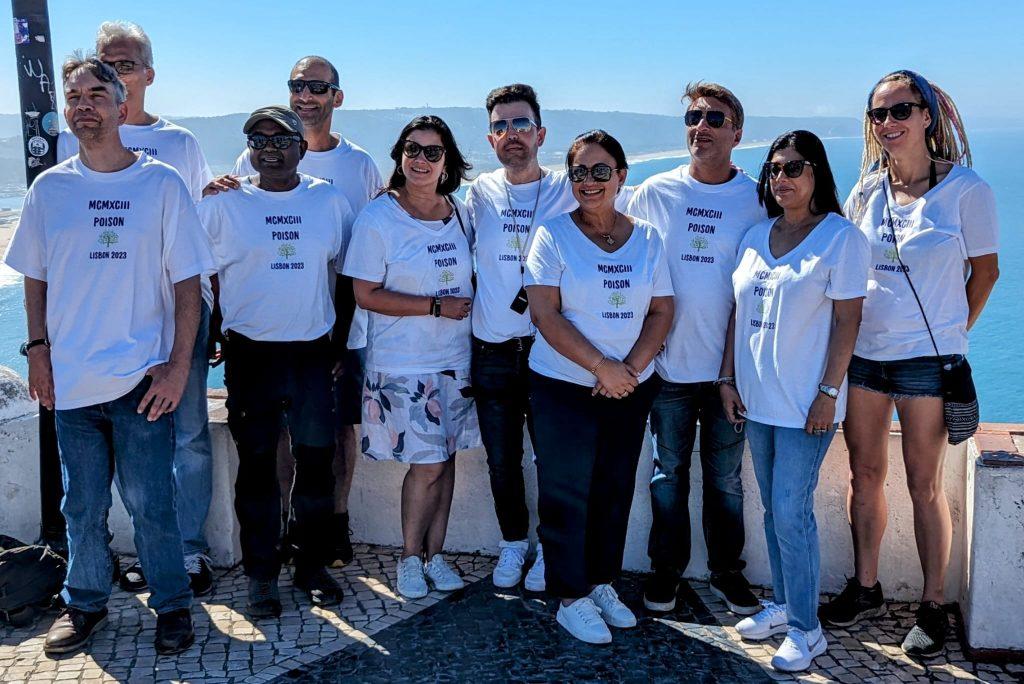
30th reunion trip to Portugal in 2023
How did Woodstock influence you, and what drew you to emergency medicine specifically?
Woodstock shaped me deeply through the relationships I built here. Those interpersonal connections helped me realize that I wanted to work with people and serve others in a meaningful way.
During my three years at school, community engagement activities also exposed me to healthcare. We traveled to nearby villages for earthquake relief and public health outreach, tracking illnesses and providing education. Participating in those trips left a lasting impression on me.
Later, in medical school, I rotated through different specialties. I enjoyed each one, but I didn’t want to limit myself to a single field. Emergency medicine offered the opportunity to see everything, children, pregnant patients, trauma cases, a full spectrum of medicine within one specialty.
-
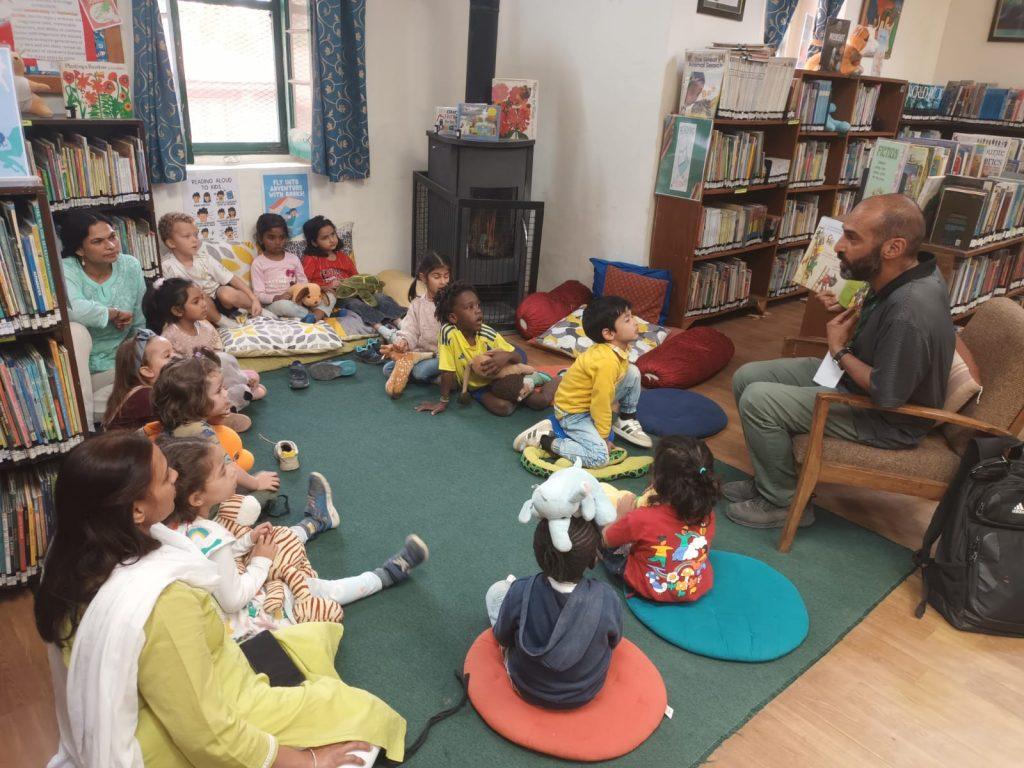
- Spending time with Woodstock students
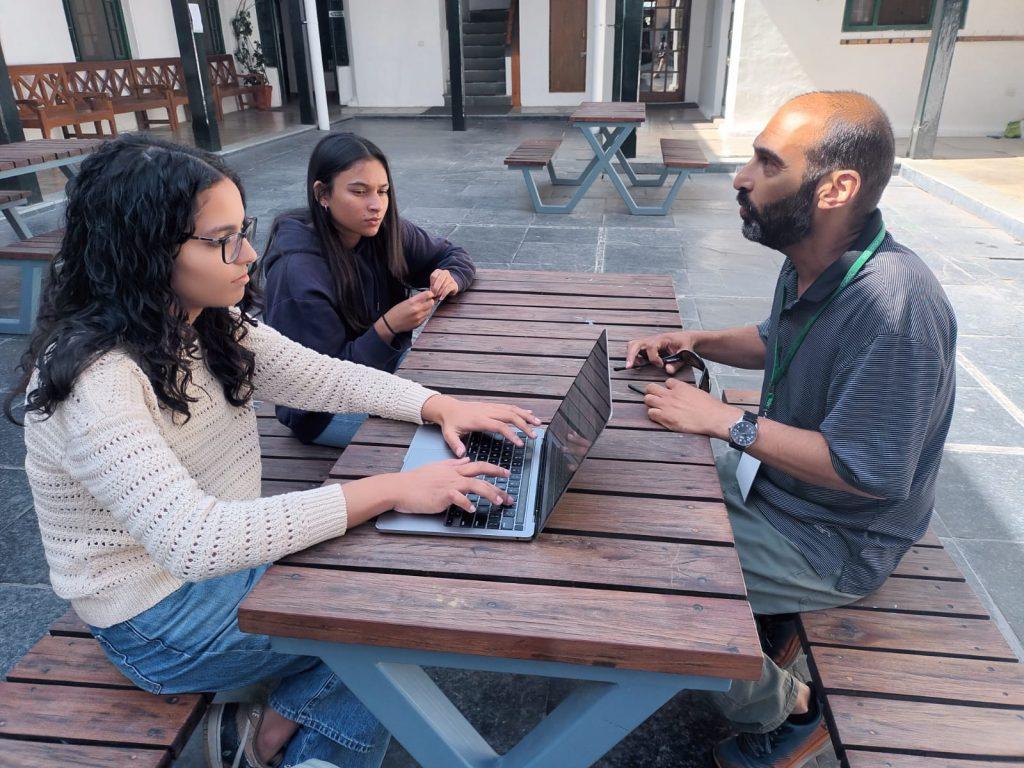
What advice would you give students interested in pursuing medicine or healthcare?
At high school level, the most important thing is to be prepared for hard work. Success in medicine is less about taking a specific course and more about developing strong study habits, discipline, and resilience.
That said, requirements vary by country: in the UK and India, biology is essential, and in the U.S., the emphasis is on taking challenging courses and demonstrating the ability to manage them successfully.
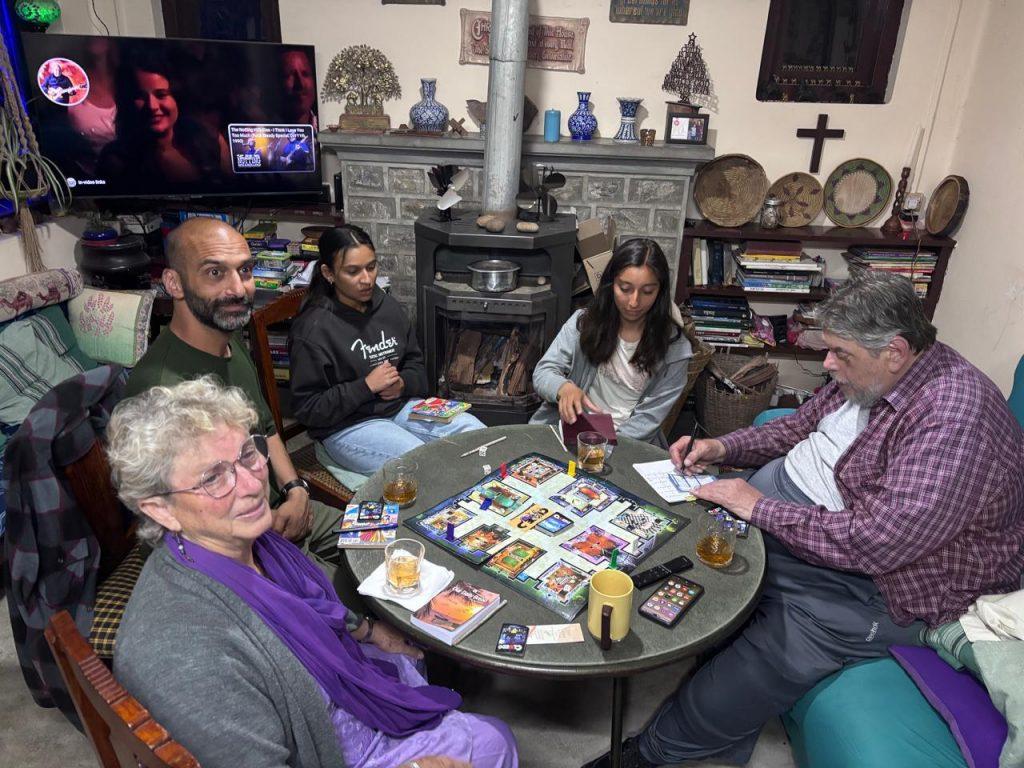
Games with the Criders
Has living and working in the U.S. changed your outlook on healthcare?
Yes. A common misconception about emergency medicine is that doctors are constantly on call and tied to the hospital. In the U.S., it is shift-based work. I complete my assigned shifts each month, and once a shift ends, I’m truly off. I don’t carry a pager, and I’m not required to return once I leave the hospital.
What legacy do you hope to leave in emergency medicine?
Over 25 years, I’ve likely cared for around 80,000 patients. I don’t think in terms of leaving a specific legacy beyond the care I’ve provided to everyone along the way. My motivation has always been simple: to do something meaningful and challenging that helps people.
Is there a moment in your career that changed how you see medicine or yourself?
Even after 25 years, I still encounter conditions I’ve never seen before. Medicine is a continuous learning process. Each new challenge teaches you something different. Growth in this field is steady and intentional, a lifelong journey.
What do teenagers often misunderstand about becoming doctors?
Many underestimate how long and demanding the journey is. It requires excellent academic performance in university, the rigors of medical school, and years of intensive residency training. It’s a serious commitment of time, effort, and perseverance.
-
- At flag hill with daughter.
-
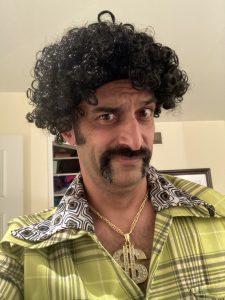
- Many moods of Gaurav!
-
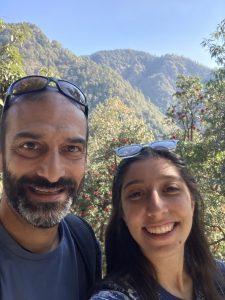
- With daughter.
What does a perfect weekend look like for you?
A long hike during the day, followed by an evening spent with friends and family.
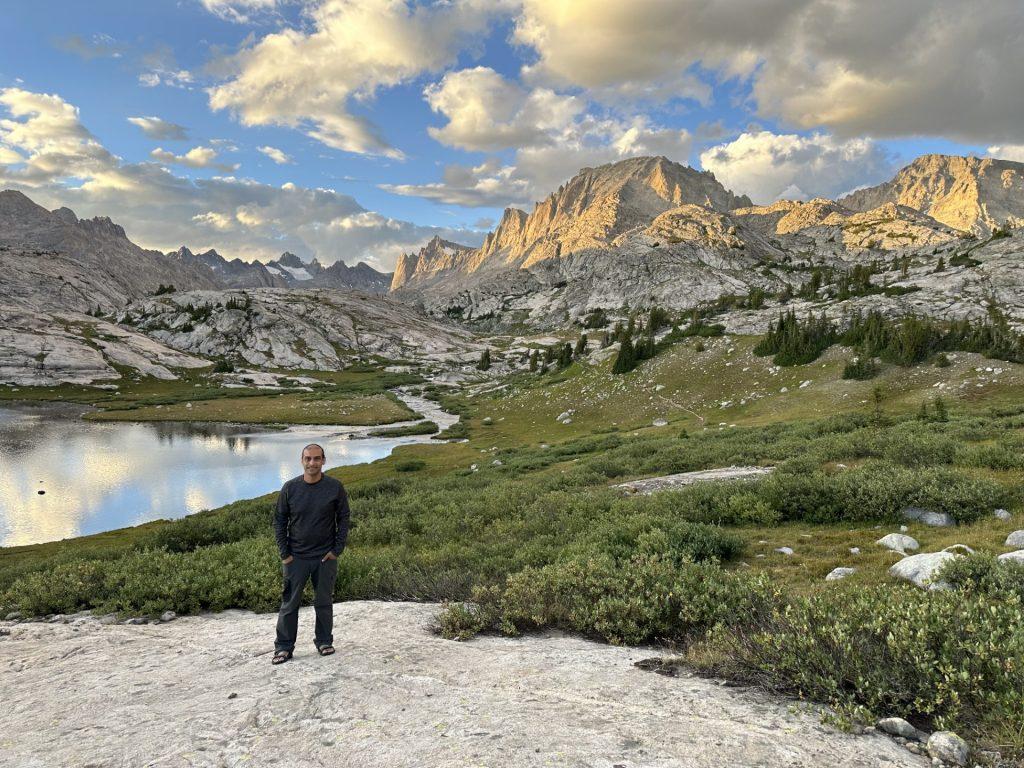
Backpacking trip in Wyoming
Do you still stay in touch with your Woodstock friends?
Yes, many of them remain an important part of my life.
If you could prescribe one ‘’life medicine’’ to Woodstock students, what would it be?
Take care of yourself, physically, and mentally. Exercise regularly, eat reasonably well, spend time with friends and family, and make sure you rest. Most importantly, make the most of your friendships here. The relationships you build at Woodstock are likely to last a lifetime. The sense of community is one of the school’s greatest gifts.
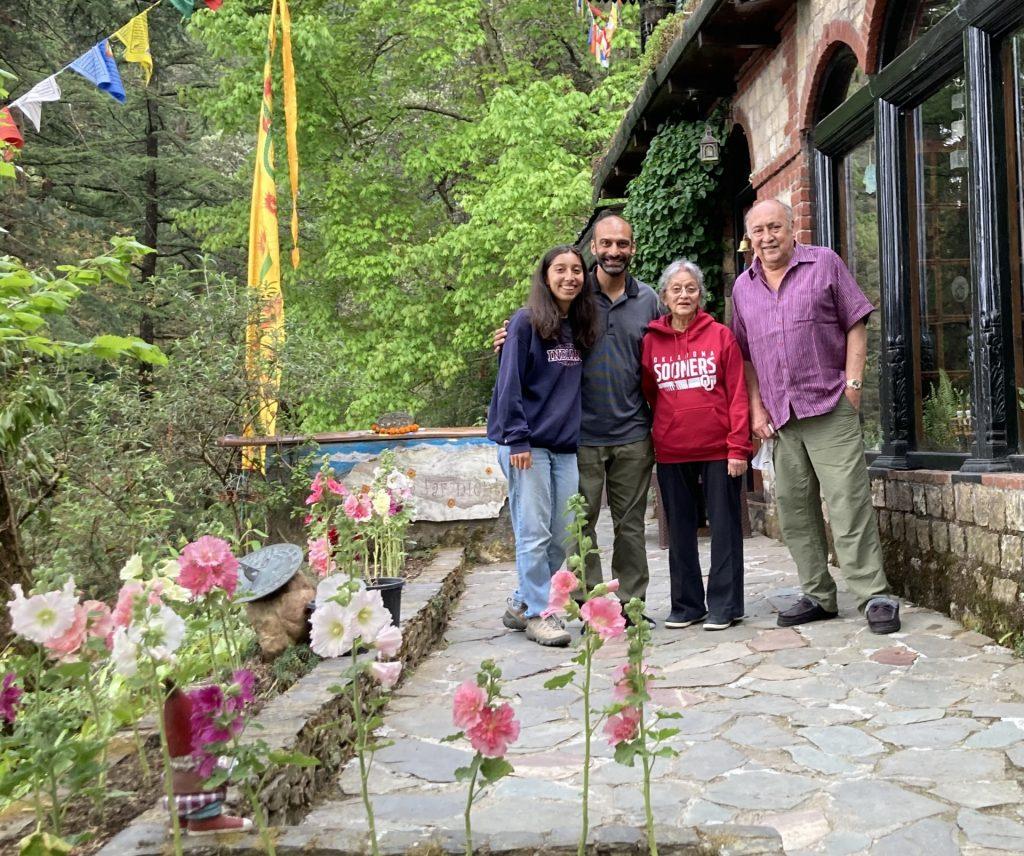
Visiting Banerjees (former parents)
Looking back, how did your career path unfold?
I initially began as an engineering major, studying math, physics, and chemistry. After some reflection, I realized economics interested me more and changed directions. However, I soon noticed that many of my peers were heading toward banking careers, which didn’t feel fulfilling to me.
Although I had never studied biology before, I chose to pursue medicine because it was intellectually challenging, purposeful, and centered on helping people. I took the MCAT, entered medical school, and never looked back.
In 2010, I returned to school to complete an MBA at the Kelley School of Business. I spent five years in hospital administration but ultimately returned to full-time clinical practice in 2018. Clinical medicine remains far more meaningful to me than administration ever was.
Final Reflections on Woodstock
Woodstock taught me to value academics to show up, engage fully, listen carefully, and connect ideas thoughtfully. That approach made learning easier and more rewarding.
What I hope never changes is the friendliness of the students and the strong community spirit fostered by both staff and peers. Those relationships are truly at the heart of the Woodstock experience.
LinkedIn: https://www.linkedin.com/in/gxarora/
By Student interns: Priyanshi & Ipsita
No Comments