Session 1
Preserve the spectacular Himalayan region through drawing, painting, printmaking, and photography
The Woodstock Summer School Art sessions will be led by artist Samita Chatterjee, who will take our young minds through a journey of capturing the spectacular Himalayan region through various forms of art.
This art course will provide students with the opportunity to immerse themselves in the outdoors as they learn important skills on how to create their own plein-air paintings in both traditional as well as digital media.
Learners will use different techniques to create prints, such as using botanicals that they forage for themselves, drawings on transparencies, cutouts and digital film negatives. The course also includes an introduction to digital painting and using nature studies to create illustrations.”
These sessions will also provide a great opportunity to learn how to create digital film negatives from photographic and digitally created artworks. Our instructor will introduce the young artists to the use of cyanotype prints (also called sun prints) and show them how to create prints on paper and fabric. Our end goal for young learners is to offer them a glimpse into how art can be expressed through techniques that they can explore for the rest of the summer, and their lives.
Who should take this course?
Students interested in painting, printmaking, photography and digital art will find this an exciting course. Some experience with drawing and painting is a bonus, but anyone with an interest in learning new artistic techniques will find themselves spoilt for choice. The course is built to make it enjoyable and informative for young artists who are beginning their creative journey as well as those who are looking to hone their skills and learn new techniques. We love a spirit of exploration and experimentation in the young artists who join us.
What skills and knowledge will participants gain through the course?
This is a unique opportunity for students to work with both traditional and digital mediums of art, which is indispensable to artists today. The intent of the course is for our participants to study and explore the hillside through drawings and paintings and learn specific skills to produce final artworks inspired by their studies, which could be digital work, paintings or cyanotype prints. Students will receive an introduction to digital painting using Photoshop and Procreate as well as learn to use digital software to work with photographs, create digital art and convert them into film negatives to create cyanotype prints. Techniques like paintings on transparencies, stencil cut-outs, using botanical elements like ferns and flowers to create artwork will be a part of the printmaking section of the course.
Week One:
- Exploring the hillside through drawings and paintings from life.
- Introduction to cyanotype printing.
- Composing paintings and drawings on transparencies to create prints.
- Learning to create paper cut-outs and stencils from drawings to make prints.
- Foraging for botanical elements, finding unique patterns to create botanical prints on paper and fabric.
Week Two:
- Working with photography, digital manipulation and preparing film negatives for printing.
- Digital art with digital softwares to produce film negatives.
- Toning and working with cyanotype artworks post printing.
Session 2
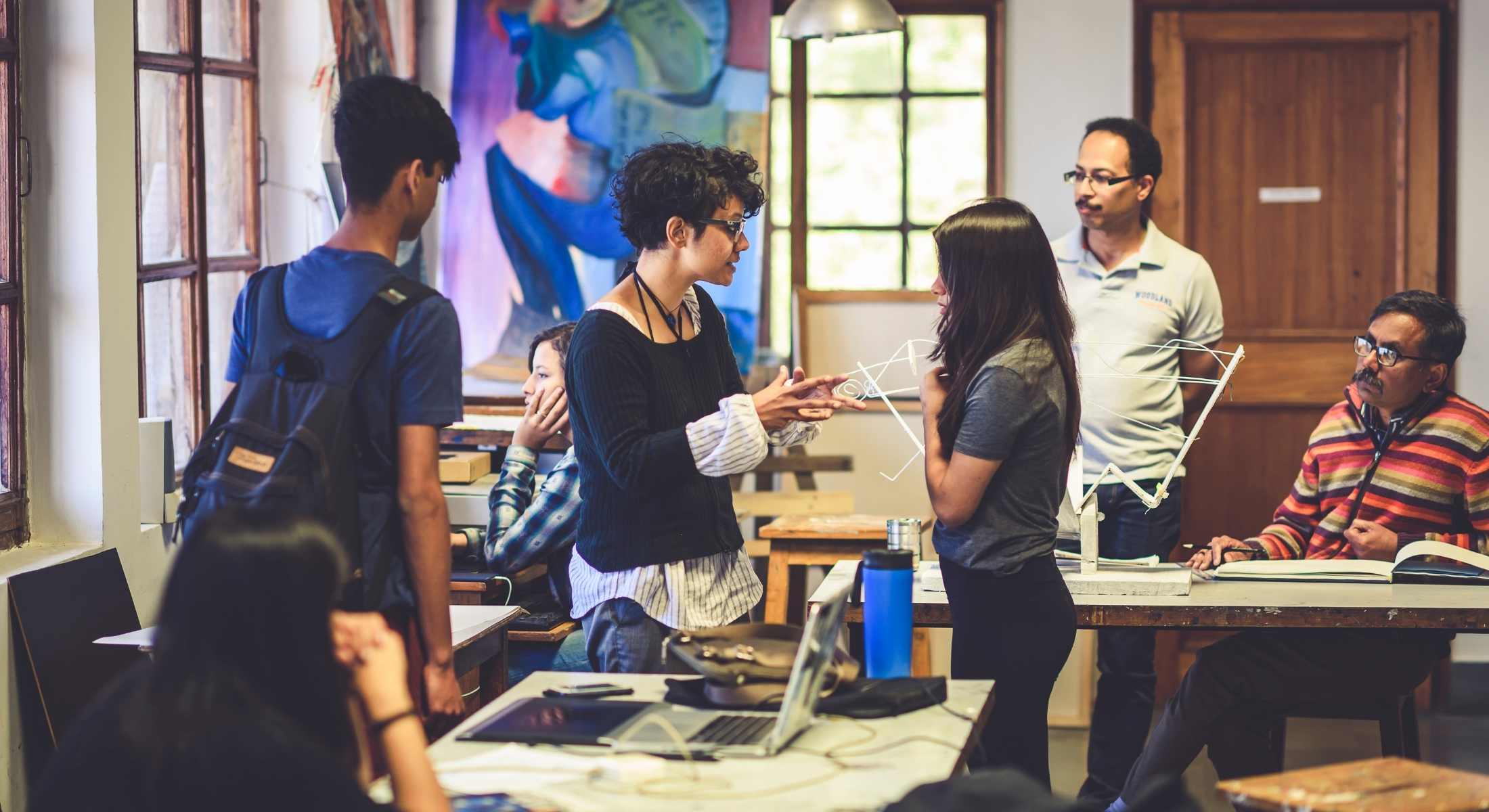
Art in the Himalayas is an immersive, hands-on studio and field-based art workshop that invites students to slow down, observe deeply, and create in direct response to the Himalayan landscape. Set amidst mountains, forests, and shifting light, this course focuses on developing strong observational skills, material exploration, and personal artistic voice. Students will work across drawing, painting, ink, watercolour, textile dyeing, and visual journaling—learning how artists translate lived experience and environment into meaningful artworks. Through guided nature walks, outdoor sketching sessions, studio experimentation, and reflective journaling, participants will explore colour, texture, light, and form as they appear in nature. The course emphasizes process, curiosity, and experimentation rather than perfection. By the end of the workshop, each student will produce a cohesive body of place-based artworks and transform selected pieces into a final functional or design-based art product that is personal and thoughtfully developed.
Who should take this course?
This course is ideal for students who enjoy drawing, painting, and working with their hands while exploring a variety of mediums and techniques. It is well suited for young artists who are curious, observant, and eager to engage with art beyond the classroom. No advanced technical skills are required—students of all skill levels are welcome. What matters most is a willingness to experiment, take creative risks, and engage thoughtfully in the artistic process.
If you enjoy working outdoors, keeping a sketchbook, and developing your own visual style, this course is for you.
What skills and knowledge will participants gain through the course?
Students will learn and develop:
- Observational field sketching from life
- Visual journaling as a core artistic tool for research, reflection, and concept development
- Watercolour fundamentals – wet-on-wet, wet-on-dry, glazing, and lifting
- Acrylic painting techniques – layering, brush control, and expressive mark-making
- Colour as emotion – using value, and saturation to communicate mood and atmosphere
- Tone, value, and form – understanding light and shadow to create depth
- Composition and visual storytelling through landscapes and nature-based studies
- Abstraction and expression – moving beyond realism toward expressive responses
- Transforming original artworks into functional or design-based products
Through inquiry-based and process-led learning, students will also strengthen the following ATL skills:
Creative Thinking Skills
- Generating ideas through observation and visual research
- Experimenting with materials, techniques, and processes
Self-Management Skills
- Managing time and materials during studio and outdoor work
- Working independently and sustaining focus during field studies
Reflective Skills
- Using visual journals to document observations, ideas, and learning
- Reflecting on artistic choices, challenges, and growth
Communication Skills
- Expressing ideas visually through artworks
- Presenting a cohesive body of work and explaining artistic intent
Course Description (week-wise)
Week 1 – Observation, Inquiry & Skill Building
Learning Focus: Developing observational skills and material awareness
- Field sketching and guided nature walks to observe landscape, light, texture, and form
- Visual journaling as a research tool (sketches, notes, colour studies, reflections)
- Exploring watercolour, ink washes, pencil drawing, and acrylic techniques
- Introduction to textile dyeing and nature-inspired colour exploration
- Emphasis on experimentation, risk-taking, and process documentation
Week 2 – Interpretation, Development & Application
Learning Focus: Refining ideas and applying learning meaningfully
- Deepening observational studies with focus on perspective and detail
- Creating resolved artworks from initial field studies
- Exploring abstraction, composition, and intentional decision-making
- Transforming original artworks into functional or design-based products
- Individual feedback sessions to support reflection and artistic growth